
🔨 5 home renovations that may not add as much value as sellers expect
Improving your home before putting it on the market can seem like a sensible investment, but spending more does not always mean selling for more.
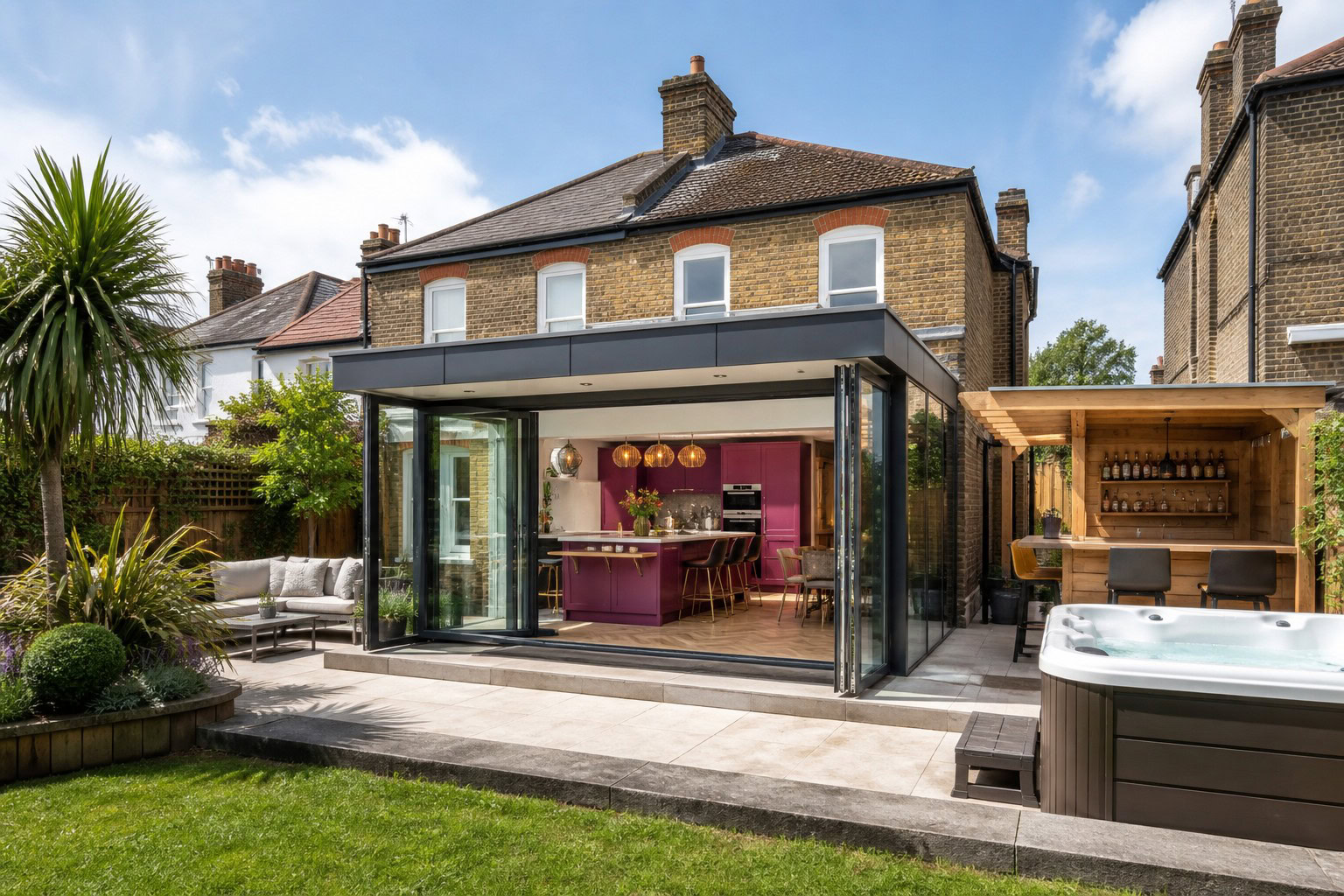
Large extensions, designer kitchens and impressive lifestyle features may make a home more enjoyable for its current owner. However, buyers will not necessarily place the same value on those improvements — particularly when they reflect very personal tastes or compromise something more practical.
For homeowners in Herne Bay, Whitstable and the surrounding Kent villages, the important question is not simply whether an improvement looks impressive. It is whether the work suits the property, appeals to likely buyers and represents good value in the local market.
Here are five renovations that sellers sometimes expect to add significant value, but which may not deliver the return they anticipate.
🏗️ 1) An extension that leaves the property out of balance
Additional living space can undoubtedly make a home more attractive. However, an extension needs to work in proportion with the rest of the property.
A large rear extension may create an impressive kitchen or additional bedroom, but it could also leave the home with a much smaller garden. Likewise, adding bedrooms without sufficient parking, storage or living space can produce a layout that does not meet the practical needs of the families likely to buy it.
This is particularly relevant when space is already limited. A buyer comparing two similar homes may prefer the one with a more modest interior if it retains a usable garden, driveway or garage.
Garage conversions also require careful thought. Although relatively few people keep a car in their garage, buyers may still value the space for bicycles, tools, sports equipment, garden furniture and general household storage.
The key is balance. Extra floor space is most valuable when it improves the home without removing another feature that buyers consider equally important.
🍳 2) A luxury kitchen designed around personal taste
Kitchens are extremely important when presenting a property for sale, but there is a difference between a good-quality kitchen and an expensive one designed around a highly individual style.
Bold colours, unusual finishes, elaborate lighting and premium appliances may have cost a great deal, but buyers will not necessarily want to pay extra for choices they intend to replace.
In some cases, a very distinctive new kitchen can make a sale more difficult. Buyers may feel that part of the asking price reflects an expensive installation that does not suit them, while also calculating the future cost of changing it.
If you are updating a kitchen with a future sale in mind, neutral colours, clean lines, practical storage and reliable fittings generally offer broader appeal. The finish should also be appropriate for the style and likely value of the property.
The same principle applies to bathrooms and decoration. A tasteful, well-maintained interior often performs better than one filled with costly but highly personalised design choices.
🛏️ 3) Turning a bedroom into a specialist room
A walk-in wardrobe, cinema, home gym or dedicated hobby room might suit your lifestyle perfectly. However, converting a bedroom permanently can reduce the number of buyers attracted to the property.
Most buyers begin their search by selecting a location, price range and number of bedrooms. If a three-bedroom home is altered so that one room can no longer function independently as a bedroom, it may compete in a different section of the market.
Removing a doorway, changing access or installing highly specialised fittings can also make it difficult to present the room as flexible accommodation. Instead of seeing an attractive extra, buyers may see work and expense required to return it to its original use.
If you want to create a dressing room, office or gym, it is usually sensible to retain the window, doorway and basic layout. Freestanding furniture and easily removable fittings allow buyers to imagine the room serving whichever purpose they need.
Flexible rooms tend to attract a wider audience than spaces designed for only one activity.
🛁 4) Hot tubs, garden bars and other niche additions
Hot tubs, bespoke garden bars and elaborate entertainment areas can be enjoyable lifestyle features, but they do not appeal to every buyer.
Some viewers may love them. Others may immediately think about energy use, ongoing maintenance, safety or the cost of removing the installation. As a result, these additions are often treated as optional bonuses rather than features that justify a higher offer.
The same applies to very specialised pet facilities, permanent games rooms and other improvements created around one household’s interests.
Outdoor space remains important, but versatility is normally the safer approach. A tidy garden with a well-maintained seating area, healthy lawn or manageable planting allows buyers to picture how they would use it.
If you are installing a lifestyle feature primarily for your own enjoyment, that is perfectly reasonable. Just be cautious about assuming that its full cost will be recovered when you sell.
☀️ 5) Renewable technology and routine maintenance
Solar panels, battery storage and heat pumps can lower energy use and make a property more attractive to environmentally conscious buyers. However, the effect on value will depend on the property, installation, running costs and local demand.
These systems can improve a home’s appeal, but sellers should not automatically expect the eventual sale price to rise by the full amount spent. Buyers may also want clear information about warranties, ownership arrangements, servicing and likely energy savings.
Routine maintenance works in a similar way. Replacing an unreliable boiler, repairing a roof or renewing damaged windows may not create an obvious increase in value. Instead, these jobs help protect the value already present and prevent buyers from reducing their offers to reflect future repair costs.
A buyer may not pay thousands more because every door handle works and the windows are sound. However, signs of neglect can quickly undermine confidence and make a property feel like an expensive project.
📋 What should sellers concentrate on instead?
Before committing to an expensive renovation, it is worth asking whether the work will appeal to a broad range of buyers and whether it suits the price and character of your home.
For many sellers, relatively straightforward improvements can have a greater effect on presentation:
- Repair obvious defects and finish incomplete jobs.
- Declutter rooms to make the available space easier to appreciate.
- Use light, neutral decoration where existing colours are very strong.
- Deep-clean kitchens, bathrooms, windows and flooring.
- Tidy the front garden, entrance and exterior of the property.
- Make sure each room has a clear purpose without limiting its flexibility.
- Gather guarantees, certificates and servicing records for completed work.
These measures may not sound as exciting as a major building project, but they can help buyers see a home that has been cared for and is ready to move into.
✅ Which improvements could be worth considering?
No improvement is guaranteed to produce a profit, but certain projects may have wider appeal when they are planned carefully and suit the individual property.
Loft conversions can provide valuable additional accommodation without reducing the garden or garage, although the quality of the staircase, headroom and finished layout will all matter.
Off-street parking can be a practical advantage where planning rules, drainage requirements and the property’s frontage allow it.
Neutral kitchen and bathroom updates may help when existing rooms look tired, particularly when the work concentrates on condition and practicality rather than luxury.
Better-connected living spaces can appeal to modern households, but completely open-plan layouts are not right for every property. Retaining some separation or flexibility can be valuable.
Improved kerb appeal can help create a strong first impression. A smart entrance, clean windows, repaired fencing and a tidy garden can all help a home begin a viewing positively.
📍 Think about the local market before spending
Buyer priorities vary between property types and locations. A family looking for a home in Herne Bay may place a premium on parking, storage and garden space, while someone searching in central Whitstable may accept less outside space in return for character and proximity to the town or coast.
An improvement that makes sense for one property may therefore be unnecessary for another. The likely selling price also needs to be considered. There can be a natural ceiling for a particular road or style of property, regardless of how much has been spent inside.
Before beginning major work specifically to increase your sale price, ask a knowledgeable local estate agent to assess the property. An experienced agent can explain what buyers are currently looking for and whether the proposed investment is likely to improve marketability, value or both.
🏡 Thinking of selling?
If you are considering selling your home in Herne Bay, Whitstable or the surrounding villages, we’d be delighted to offer honest advice based on your property and the local market.
Our team can help you identify which improvements are genuinely worthwhile, which jobs should be completed before photography and which features buyers are most likely to value.
From preparing and pricing your home to professional marketing, accompanied viewings and negotiation, we’ll guide you through every stage of your sale.
Before spending thousands on renovations, find out what your home could already be worth.
BOOK YOUR FREE SALES VALUATION
Source of inspiration: Rightmove’s article exploring renovations that sellers may expect to add value, based on observations from estate agents across the UK. Read the original Rightmove article here .